

Tulane Online Law Blog
Blog Posts

Discover the keys to LGBTQIA+ workplace equality and legal compliance with insights from Tulane Law's recent Virtual Speaker Series on LGBTQIA+ rights in the workplace.

Pay transparency is a hot topic amongst human resources (HR) professionals, and for good reason. Learn the challenges, benefits and best practices to address pay transparency from current Tulane Law MJ-LEL students.

Focused on Diversity, Equity, and Inclusion (DEI)—also referred to as Diversity, Inclusion, and Belonging (DIB),—a recent Tulane University conversation centered especially around safe spaces and allyship between men and women in the workplace.

Learn more about increased pregnancy discrimination protections for pregnant and breastfeeding workers in the workplace from Tulane faculty members Professor Laura Avery, JD of Kerry Murphy Law, Professor Gillian Egan, corporate counsel APL Logistics and Professor Saru Matambanadzo, senior director of online legal education.

Tulane’s online Master of Jurisprudence in Labor and Employment Law (MJ-LEL) program was designed to accelerate careers and improve the day-to-day efficacy of professionals with HR responsibilities. Don't just take our word for it.

Learn about developments in marijuana laws that affect workplace drug policies from an October 2022 presentation by Tulane Law School.

Longtime Tulane University Professor Saru Matambanadzo has been named Senior Director of Online Legal Education. This announcement comes as a new leadership team has been assembled to expand Tulane’s innovative online law programs.

Explore the various reports that cover law school acceptance rates and more. These reports can be great resources to provide you with data points to consider in your law school search.

Learn more about fracking and explore the determinations made in the final version of the EPA’s report released in 2016 on fracking and water quality.

Making the decision to attend law school is a considerable educational investment in your future and the cost may vary based on where you choose to study. Learn about the average costs you can expect for a typical three-year Juris Doctor (J.D.) program.
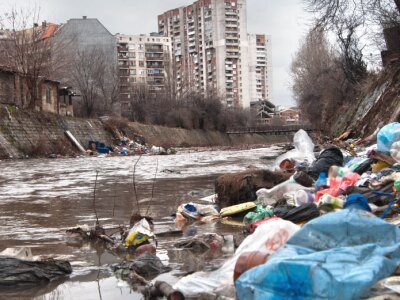
Environmental justice is not a new term, but it did only emerge in the last 30 years since the release of an impactful report on toxic waste and race. Explore the report that shined a spotlight on how race was a key deciding factor in where toxic waste would be located.
Explore inspiring challenges and rewards that come with a career as a land use and zoning law attorney. Learn more from the Tulane University Law School.

How hard is law school? Explore a list of what makes law school hard. It is undoubtedly more challenging than undergrad, but around 40,000 law students graduate every year, meaning a law degree is attainable.

Law School Transparency (LST) is a non-profit organization that focuses on consumer advocacy and public education around the legal profession. LST’s mission is to make entry to legal professions transparent, affordable and fair.
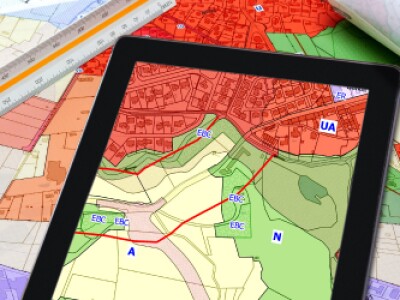
You’re hoping to build a home. Your client is looking to buy property on which she’ll open a new business. Your friend’s industrial manufacturing company is growing and needs a larger physical space. Welcome to land use and zoning law.

Making the decision to go to law school should not be made on a whim. The questions in this blog will help you answer the question: Should I go to law school?

For Alexandra Torres Rodriguez, Tulane University stood out. The law school’s Online MJ in Labor and Employment Law focused on meeting the real needs of HR professionals in the workplace, but it also gave her an unbeatable background in compliance and the law.

American environmental laws protect our health and the nation’s economic viability. Also referred to as environmental and natural resource laws, they protect the land, air, water and soil, and prevent and reduce environmental pollution while managing natural resources.

Understanding how to get into law school can feel like a challenge, but it does not need to be. It is just a matter of taking each part of the process step by step and knowing what to expect. First you will need to decide which type of degree is right for you.

The Clean Water Act is a cornerstone of U.S. environmental regulations. Originating from the Federal Water Pollution Control Act of 1948, the policy’s goal is to protect streams, rivers, lakes and bays throughout the United States.